
Here are some tips to keep your Christmas festive and fun but vet free…
Many common foods and snacks we humans enjoy can be dangerous to our pets. Animals digest and metabolise food differently to humans which means what might be perfectly fine for us can be poisonous to them.
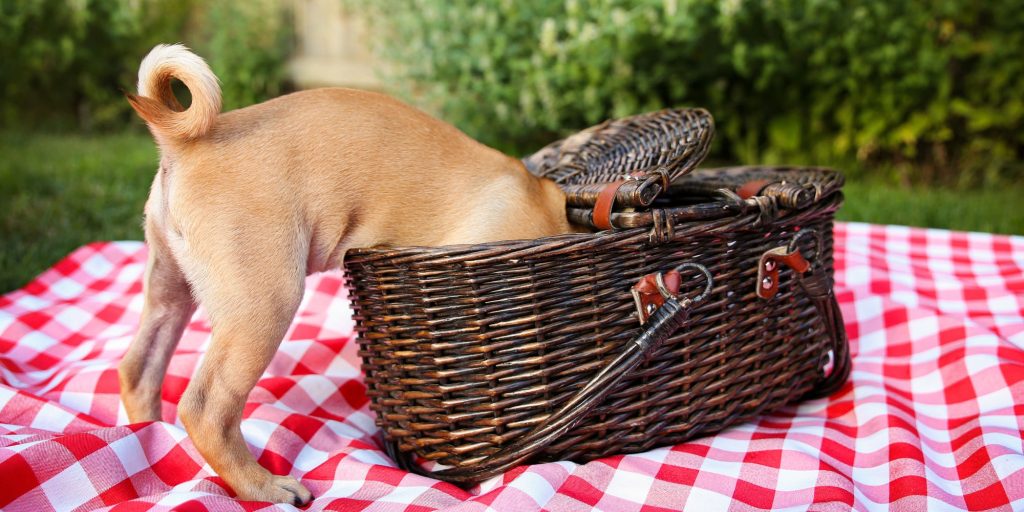
It’s best to refrain from sharing human food with your pets. Be very cautious about where you are leaving food that may be easily accessible to them – for example, wrapped chocolates and food under the Christmas tree.
Common festive foods that are NOT safe for our furry friends

Chocolate
Chocolate contains theobromine, a stimulant similar to caffeine, found in the cocoa bean. It is not effectively broken down in our pets’ bodies and affects their central nervous system and heart muscle. Depending on how dark the chocolate is (how much cocoa it contains), how much is eaten and the size of the animal (the smaller the dog, the more dangerous it will be).
Chocolate can cause seizures, vomiting, diarrhoea and can potentially kill your pet.
Anything with grapes or raisins
Fruit cake and Christmas pudding often contain raisins and grapes which can cause kidney failure and death. In some cases, very small dogs have died after eating only a handful of raisins or grapes.
As sensitivity to the toxins seems to vary so much from animal to animal, it is just best not to feed your dog ANY grapes or raisins or food that contains these ingredients.
Corn cobs
Corn cobs can cause blockages in the small intestine that may need to be surgically removed.
Fatty meats
Fatty meats such as ham on the bone as well as pork crackling can cause vomiting, bloody diarrhoea and may lead to pancreatitis.
Treatment for pancreatitis often involves a stay in hospital with fluid therapy, strong pain relief, anti-nausea medication and antibiotics – and we are sure no one would want to see their pet in hospital, especially at Christmas time.
Xylitol
Xylitol is an artificial sweetener that can be found in chewing gum, sugar-free treats and some brands of peanut butter. Xylitol is extremely toxic to dogs and ingestion can be fatal.
It causes their blood sugar levels to drop, resulting in vomiting, weakness, seizures and coma. Xylitol can also cause liver injury.
Alcohol, caffeine and bread dough
Alcohol and caffeine are both very toxic for pets. Ingestion of uncooked bread dough containing yeast can also result in alcohol poisoning.
Bread dough also poses an additional hazard as it continues to expand within the stomach, causing stomach distension, pain and a risk of stomach torsion.
Fruit pits/seeds
Pits and seeds of fruits contain a substance which degrades to cyanide which is toxic. Pits of fruits can also cause blockages and damage to the intestine.
Onions and garlic (raw, cooked, powdered and as an ingredient)
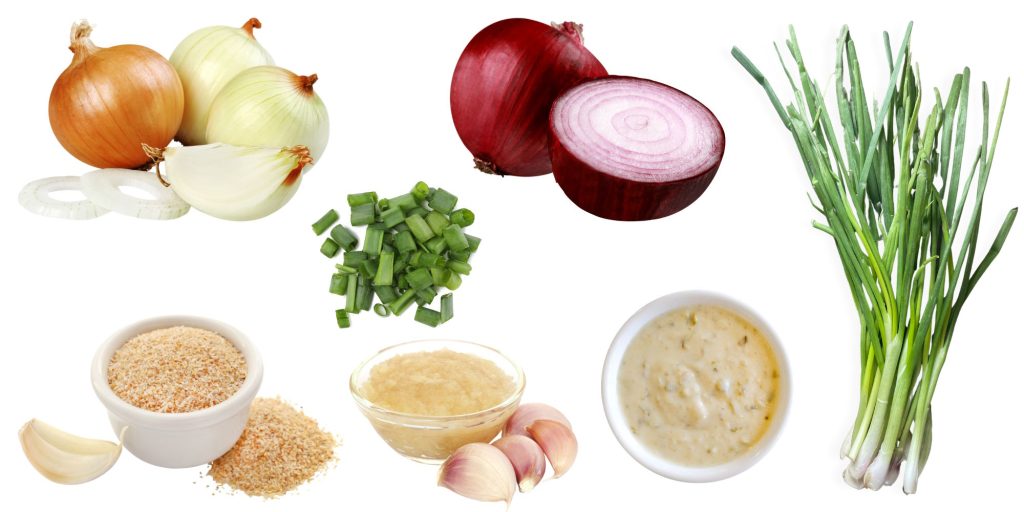
Onions and garlic can cause a life-threatening anaemia if ingested in large amounts.
It’s not only raw onions or garlic that cause symptoms but foods containing things like dehydrated onion or garlic or onion soup mix as well. A small amount of onion or garlic each day for several days can have the same effect as a large amount at once.
A severe case of toxicity may require a blood transfusion – so remember this, no meat patties off the BBQ and no licking up the leftover gravy from the roast dinner.
Macadamia nuts
Macadamia nuts although unlikely to be fatal, can cause very uncomfortable symptoms that can last for up to 48 hours and some dogs will need to see a vet for pain relief and possibly intravenous fluids.
Cooked bones
Cooked bones are prone to splintering when chewed and eaten by your pet.
These splinters can cause trauma to the mouth as well as the stomach and intestinal lining. This results in blood in the stool and pain when passing stools due to the sharp shards.
Larger splinters of bone can cause blockages or pierce the intestines, which requires surgery to resolve.
We know it’s tempting to slip them something off your plate – especially when they look at you like this! But please stick to pet-friendly foods and treats!
These are just a few foods of concern, so please stick to your regular food and include some pet-friendly treats (our clinic has a good selection).
If you think your pet has eaten something dangerous, you should call us immediately. It is best for us to see your pet as soon as possible after ingestion.
Other ways to keep your pets safe during the festive season
Be mindful of the temperature
If you are travelling with your pet during summer, NEVER leave them in an enclosed space such as a car – even if the vehicle is in the shade and the windows are cracked open.
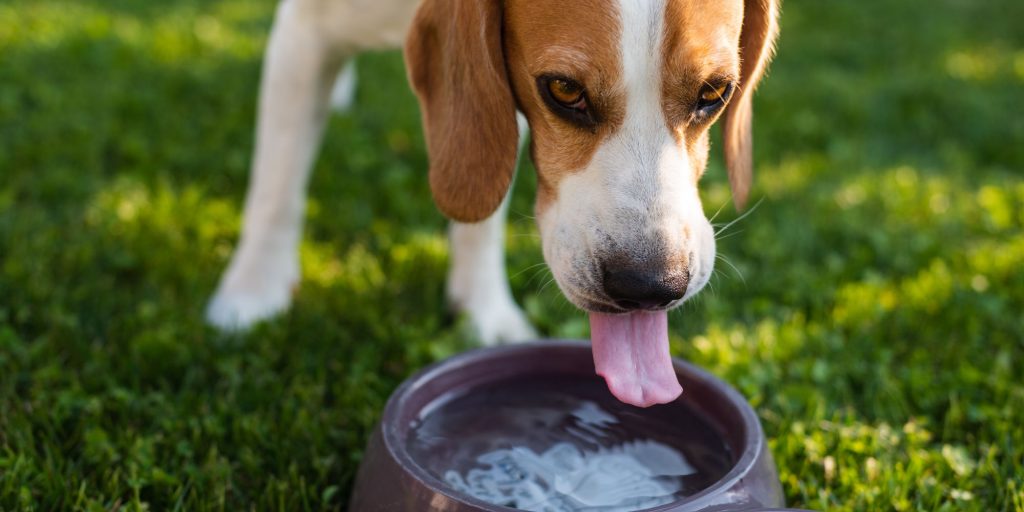
On a hot day, the safest choice is to leave your dog at home where there is shade and plenty of water available. Walk your pets earlier in the morning or later in the day when it’s cooler.
Temperature and humidity in enclosed spaces can increase quickly, putting your pet at risk of heat stroke. Heat stroke can cause organ damage and be life-threatening for your pet.
If you are hopping out of the car, even for 5 or 10 minutes, take your pet with you.
Heat stroke can also occur when walking pets during the hottest part of summer days, especially in brachycephalic breeds. During the summer, it is best to walk your pets during the cooler parts of the day.
Be aware of ground temperature also – pets can burn their footpads on hot ground surfaces such as pavements and sand. If it is too hot for your hand, it is too hot for your pets’ footpads!
Lillies are a no-go for cats
Lillies (true lilies (Lilium sp.) and day lilies (Hemerocallis sp.)) are often included in flower arrangements.
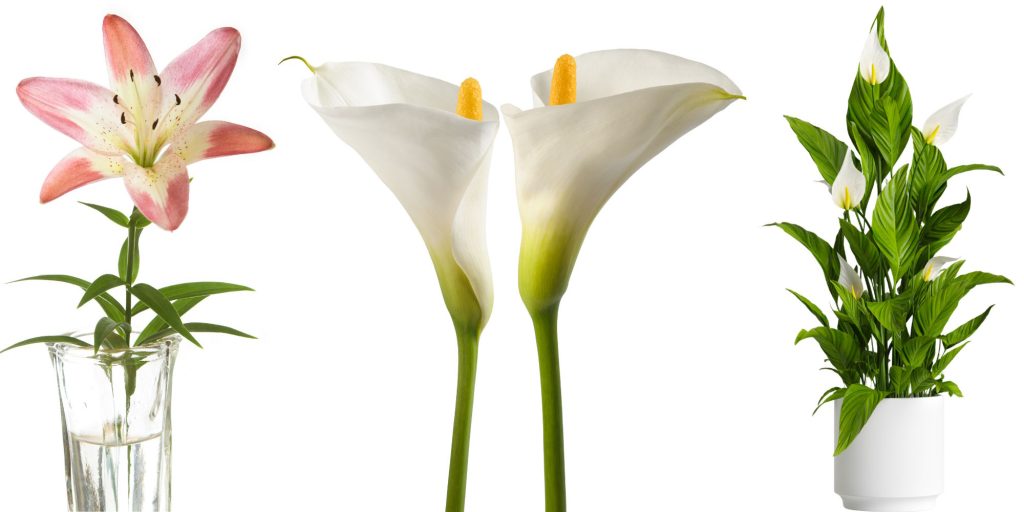
These are all species of Lilly – they are all very toxic to cats, even the water in the vase is dangerous
Lillies are very toxic to cats – ingestion comes with a high risk of death. Symptoms usually start with vomiting and progress to severe kidney failure. All parts of the Lilly plant are toxic to cats – including the pollen and the water the cut flower stems have been in.
The best way to keep your cat safe is to ensure they cannot access Lilies.